Source oil painted christmas light ball for Home, Office, and Events
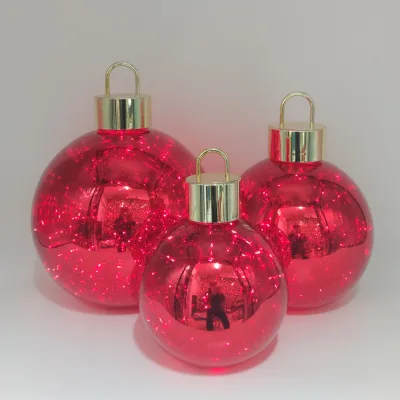
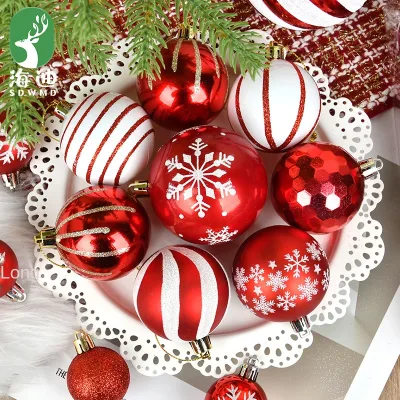
Find and compare 21 listings for oil painted christmas light ball options suitable for indoor and outdoor decoration. Evaluate materials like glass, resin, and metal, check customization availability, and review MOQs ranging from 200 to 1000 pieces for your sourcing needs.
Key considerations
Products List




Comprehensive Sourcing Guide
Oil Painted Christmas Light Ball Sourcing Guide
The market for oil-painted Christmas light balls presents a diverse range of decorative options, primarily characterized by their application in both indoor and outdoor environments. While the specific term "oil painted" implies a particular finish, the available product data indicates a broader category of Christmas decorations that includes glass, resin, and metal materials. Buyers must recognize that the visual appeal of these items often relies on manual craftsmanship, which can lead to variations in the final appearance of the paint finish. The observed product listings highlight a strong emphasis on customization, with many suppliers offering OEM and ODM services to tailor the color, size, and design to specific brand requirements.
Procurement decisions for these items require a clear understanding of the material composition, as the observed inventory includes glass, resin, and metal variants. The choice of material significantly impacts the durability and suitability for outdoor use, with glass offering a traditional aesthetic but potentially higher fragility, while resin and metal provide greater resilience against weather elements. The "Multicolour" attribute observed in the listings suggests a wide palette is available, yet the specific application of oil-based paints versus other finishes must be verified during the sampling phase. Buyers should prioritize suppliers who can demonstrate consistent manual craftsmanship to ensure the high-quality finish expected for premium holiday decorations.
Product Scope and Observed Listing Signals
The product scope for Christmas light balls encompasses a variety of models, such as CB-123, SK-0046, and CSH-0312, each with distinct specifications regarding size and material. The observed listings reveal a significant variation in dimensions, ranging from compact 8cm balls to larger 12cm versions, with some models featuring specific standard sizes like 80mm or 60*30mm. This diversity allows buyers to select products that fit different lighting fixtures or display arrangements, but it also necessitates careful verification of the exact dimensions before placing bulk orders. The "Christmas" style and "Decoration" category confirm that these items are designed specifically for seasonal use, often targeting children and general audiences with their bright, multicolored designs.
Commercial signals from the market indicate that customization is a primary driver for these products, with many suppliers explicitly welcoming OEM and ODM requests. The "Customized" attribute and the availability of logo printing suggest that buyers can request unique branding or specific color schemes to match their marketing campaigns. However, the "Manual" craftsmanship noted in the data implies that production times may vary, and the "Sample Time" of 3-7 days is a critical metric for planning. Buyers should be aware that while the "Carton" or "Carton Box" packing is standard, the specific packaging requirements for fragile items like glass balls may need to be negotiated to prevent damage during transit.
Technical Specifications to Verify
When evaluating technical specifications, the material composition is the first critical factor to verify, as the observed data includes glass, resin, and metal options. For oil-painted finishes, the substrate material determines how the paint adheres and how the item withstands environmental stress; glass requires careful handling to avoid breakage, while resin and metal offer different structural advantages. Buyers must confirm the specific model number, such as sy25 or sy17, to ensure the correct size and material are being sourced, as the "Standard" field varies significantly between 8cm, 12cm, and custom dimensions. The "Stand" attribute being listed as "Other" suggests that some models may require additional accessories for display, which should be clarified in the technical agreement.
Dimensional accuracy and packaging integrity are equally important, as the observed standards range from 854cm to 80mm, and the "Product Standard" field often lists specific measurements. Buyers should request detailed technical drawings or physical samples to verify that the "Size" matches the intended application, particularly for outdoor use where weather resistance is paramount. The "Fob: Ningbo Port" and "Payment: T/T" terms indicate that logistics and payment structures are standardized, but the "MOQ" varies widely from 200 to 1000 pieces depending on the model. It is essential to confirm whether the "Customized" nature of the product affects the minimum order quantity, as bespoke designs often carry higher thresholds than standard stock items.
Compliance and Safety Documentation
Safety compliance is a non-negotiable aspect of sourcing Christmas decorations, especially those intended for children or outdoor use. While the observed data mentions "RoHS" as a background certification, buyers must explicitly request current test reports to verify that the oil paints and materials used meet international safety standards for heavy metals and toxic substances. The "Quality: Best" claim in the listings is a marketing statement rather than a verified certification; therefore, independent third-party testing is required to confirm that the products are free from hazardous materials that could pose a risk to users. This is particularly relevant for items with a "Manual" finish, where the application process must be controlled to ensure consistent safety across all units.
Documentation regarding the origin and manufacturing standards is also critical for establishing supply chain transparency. The "Prod Origin" is listed as Zhejiang or China, and buyers should verify that the manufacturing facilities adhere to recognized quality management systems. For products labeled as "New" or intended for "Children," specific age-appropriate safety warnings and usage instructions must be included in the product packaging. The "OEM/ODM" capability implies that the supplier can adapt the product to meet specific regional compliance requirements, but the buyer must ensure that any customizations do not compromise the safety integrity of the original design.
Cost Drivers and Commercial Terms
The cost structure for oil-painted Christmas light balls is heavily influenced by the material choice, the level of customization, and the order volume. The observed MOQ range of 200 to 1000 pieces suggests that smaller orders may incur higher per-unit costs, while larger volumes can leverage economies of scale. The "Manual" craftsmanship noted in the data indicates that labor costs are a significant component of the final price, as hand-painted finishes require skilled artisans and more time to produce compared to machine-applied coatings. Buyers should anticipate that custom colors or unique designs will add to the base cost, as these require additional setup and quality control measures.
Commercial terms such as payment methods and shipping logistics play a vital role in the overall procurement budget. The "T/T" payment term and "Ningbo Port" FOB location are standard, but buyers must factor in the "Sample Time" of 3-7 days and the potential for longer lead times during peak holiday seasons. The "Carton" packing is standard, but specialized packaging for fragile items like glass balls may increase the unit cost. Additionally, the "OEM/ODM" services offered by suppliers often come with a premium, so buyers should negotiate these costs carefully to ensure they align with their profit margins.
Supplier Qualification and Quality Control
Supplier qualification should focus on their ability to maintain consistent quality across manual production processes. Given that the "Craftsmanship" is listed as "Manual," buyers must assess the supplier's quality control protocols to ensure that the oil paint application is uniform and free from defects like drips, bubbles, or uneven coloring. The "Quality: Best" claim should be backed by a robust inspection process, including pre-shipment inspections and random sampling to verify that the final product meets the agreed-upon specifications. Suppliers with a history of OEM/ODM work are likely to have more mature quality systems, but this must be validated through on-site audits or third-party verification.
The ability to handle customization requests without compromising quality is another key qualification metric. The "Customized" and "OEM/ODM Welcomed" attributes indicate that suppliers are flexible, but buyers must ensure that the customization process includes rigorous testing of the new designs. The "Sample Time" of 3-7 days is a good indicator of responsiveness, but the quality of the sample must be scrutinized before approving mass production. Buyers should also verify the supplier's capacity to handle the "MOQ" requirements, ensuring they can meet the order volume without delays or quality degradation.
Long-Term Procurement Checks
Establishing a long-term partnership requires regular performance reviews and continuous quality monitoring. Buyers should implement a system for tracking defect rates and customer feedback to ensure that the oil-painted finish remains consistent over time. The "Customization" aspect of the product line means that changes in design or material may be frequent, so maintaining open communication with the supplier is essential to adapt to market trends and consumer preferences. Regular audits of the supplier's production lines can help identify potential issues before they impact the supply chain, ensuring a steady flow of high-quality products.
Sustainability and supply chain resilience are also critical considerations for long-term procurement. While the "RoHS" certification is mentioned, buyers should explore the supplier's broader environmental practices, such as waste management and energy efficiency in the manufacturing process. The "Indoor,Outdoor" application of the products suggests that durability is a key factor, and long-term checks should include testing the weather resistance of the paint and materials over time. By maintaining a proactive approach to supplier management, buyers can ensure a reliable supply of Christmas decorations that meet both quality and ethical standards.
FAQs
Can I customize the design of oil painted christmas light ball decorations?
Yes, customization is available for these items. The product page indicates that OEM and ODM services are welcomed, allowing buyers to tailor designs. This applies to various materials including glass, resin, and metal options. Buyers can request specific styles or logos to match their brand identity. This flexibility supports unique holiday decoration needs for both indoor and outdoor applications.
What is the minimum order quantity for these Christmas ornaments?
The minimum order quantity varies by product model. Some items require a minimum of 200 pieces, while others may need 250 or 500 pieces. For example, model sy25 has an MOQ of 200, whereas model sy17 requires 500. Buyers should check the specific model details to determine the exact threshold. This range allows for flexible sourcing based on order size.
What materials are used to make these Christmas decorations?
These decorations are crafted from multiple materials including glass, resin, and metal. Glass options are available for classic looks, while resin provides durable and detailed designs. Metal variants offer a sturdy alternative. The choice of material depends on the specific product model and desired aesthetic. All materials are suitable for creating festive indoor and outdoor holiday displays.
How long does it take to receive samples?
Sample preparation typically takes 3 to 7 days. This timeframe allows for the creation of customized or standard prototypes. Buyers can use this period to evaluate quality and design before placing bulk orders. The sample time is consistent across various product models. This ensures that clients can verify the product meets their expectations efficiently.
Where are these Christmas ornaments manufactured?
These products originate from Zhejiang, China. This region is known for its manufacturing capabilities in decorative items. The origin indicates the supply chain location for these goods. Buyers can expect products to be shipped from this area. This location supports the production of various materials like glass, resin, and metal decorations.
What packaging is used for these Christmas balls?
The products are packed in cartons or carton boxes. This standard packaging ensures safe transport of the decorations. The use of cartons helps protect items like glass, resin, and metal ornaments during shipping. Buyers can expect bulk orders to be consolidated in these packages. This method is common for efficient logistics and handling.